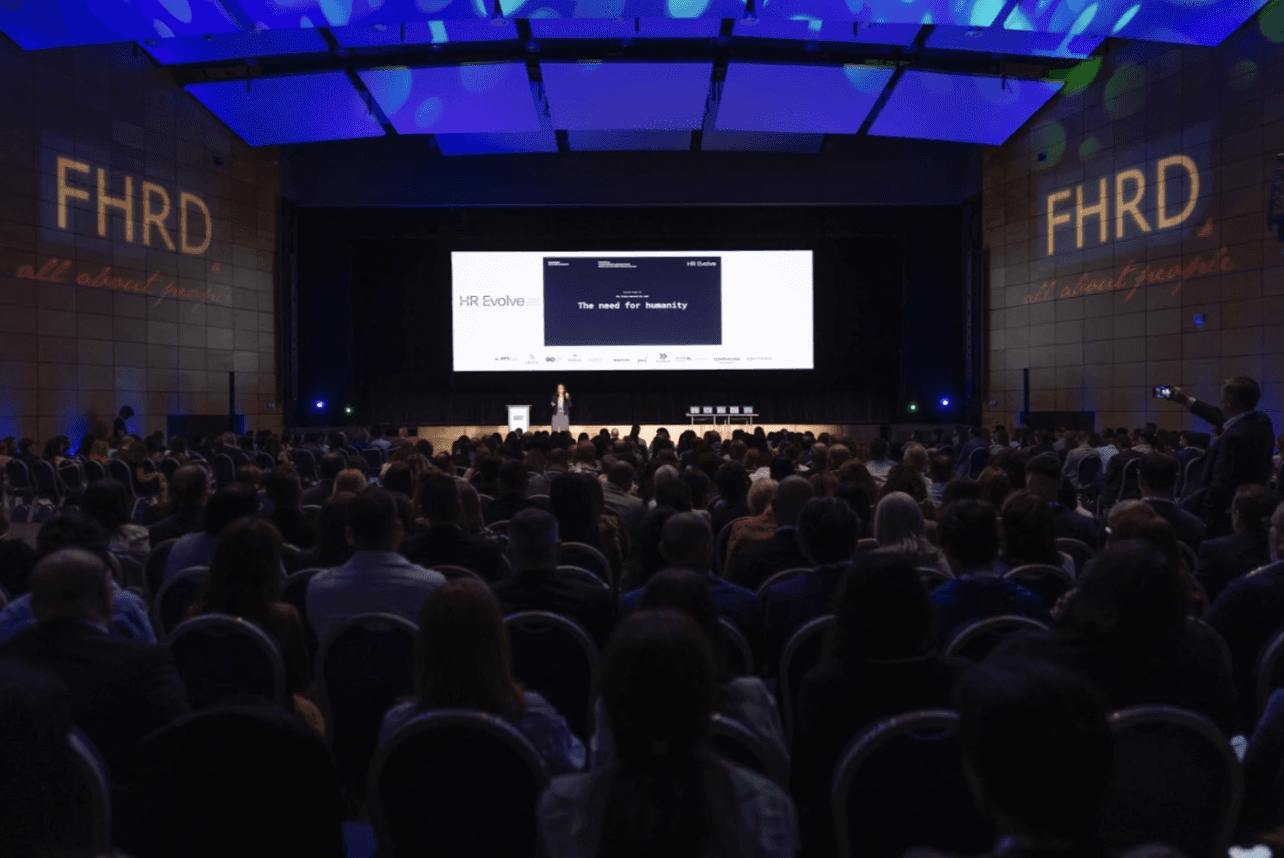
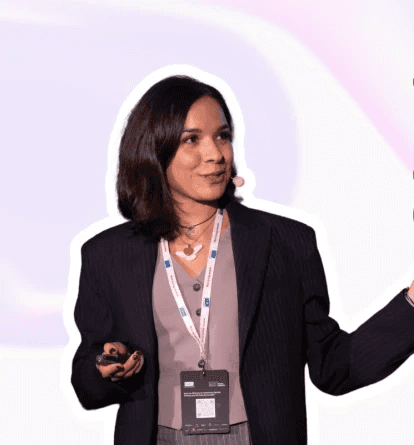
A personal story of reinvention and strategic transformation - and what it teaches us about knowing when, why, and how to pivot.
Every successful business is driven by an idea to make the world a better place, however, building a business is rarely straightforward. As always, the journey is the most exciting part of a story and the story we’re about to share is one full of twists, turns and surprises. Such plot changes, in business speak, are often referred to as pivots - a strategic shift in direction - and quite often determine if a business will reach its final destination, or if it crashes and burns along the way.

To Leap or Not to Leap • That Is the Question
For years, Dasha carried a quiet dream: to build something that sparks hearts and challenges minds. After eight years in Prague, the stars unexpectedly aligned. In December 2024, she shut the door on her corporate career, found herself suddenly unemployed, and relocated to a new country (her fifth). The decision to leap was no longer in question. Standing at the edge of her comfort zone, Dasha faced the ultimate choice: play on full volume or give up.
And Dasha chose to ramp up the volume!
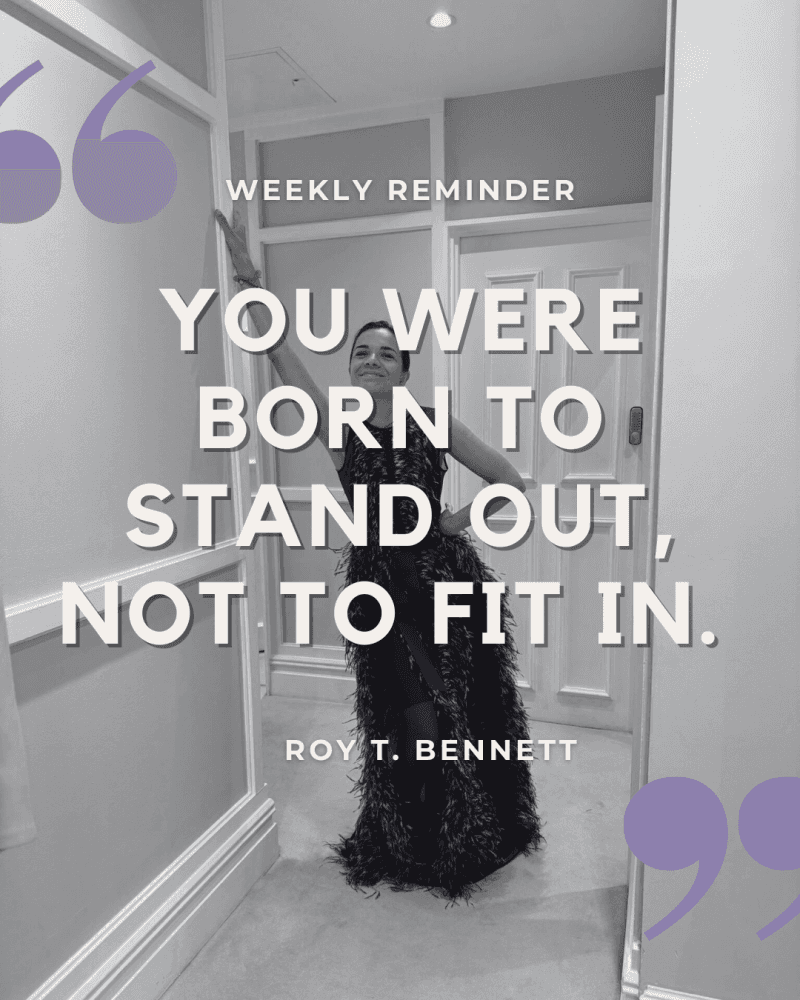
Why and When to Pivot • A Story Told in Bold Decisions
Let’s rewind a few years.
Dasha was a high performer at an American multinational, rising through the ranks with relentless drive and sharp execution. Her last promotion was significant - Global Learning & Development Manager for EMEA and APAC, a role that placed her at the heart of leadership growth. But high achievement came at a cost. She set the bar at 250%, pushing past exhaustion in pursuit of excellence.
Her transition from individual contributor to global leader was transformative.
Some days felt effortless. Others tested her resilience. But the lessons were invaluable: leadership isn’t just about performance, it’s about support.
Dasha found strength in the guidance of mentors and external coaches who shaped her journey. Inspired by their impact, she pursued ICF PCC coaching certification, dedicating three years to refining her expertise.
Then came the first pivot.

On January 6, 2025, she arrived in a new country, alone, with no familiar network, carrying the weight of a new business. Entrepreneurship felt isolating, until she remembered the power of connection.
As she rebuilt relationships one conversation at a time, one pivotal discussion changed everything:
A recruiter who had once tried to headhunt her asked, "Dasha, you're a gifted Learning & Development leader. Why aren’t you leveraging that talent to transform entire organisations, not just individual leaders?"
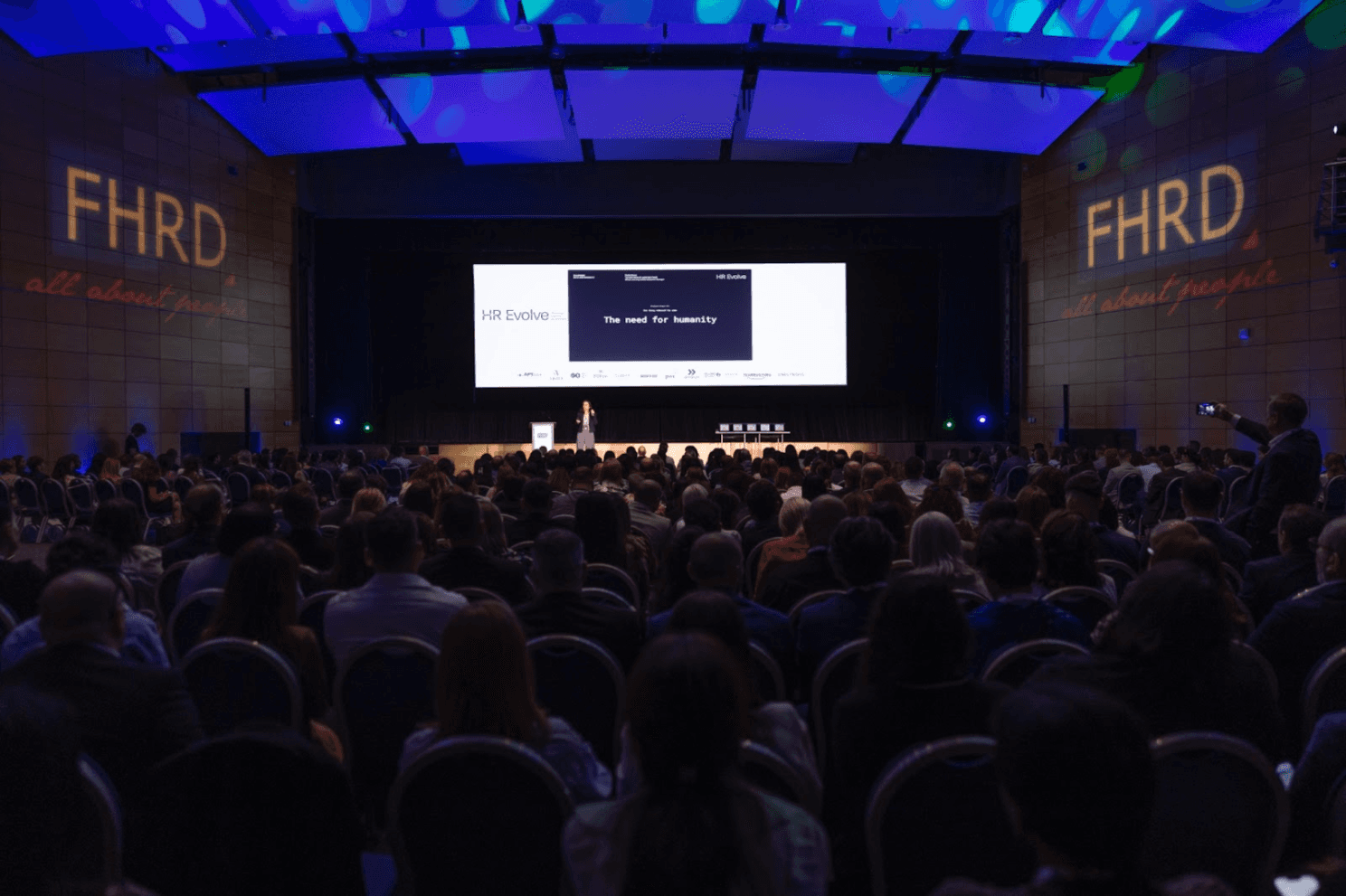
That question unlocked a new vision. Coaching is a passion, but her true expertise lay in building thoughtful people-support systems that fuel both hearts and markets.
Dasha pivoted again, evolving her solo coaching practice into a boutique Learning & Development (L&D) consultancy.
10 Reasons to Pivot • Through the Lens of Dasha’s Experience
The decision to pivot isn’t just about change - it’s about recognising what’s no longer serving you.
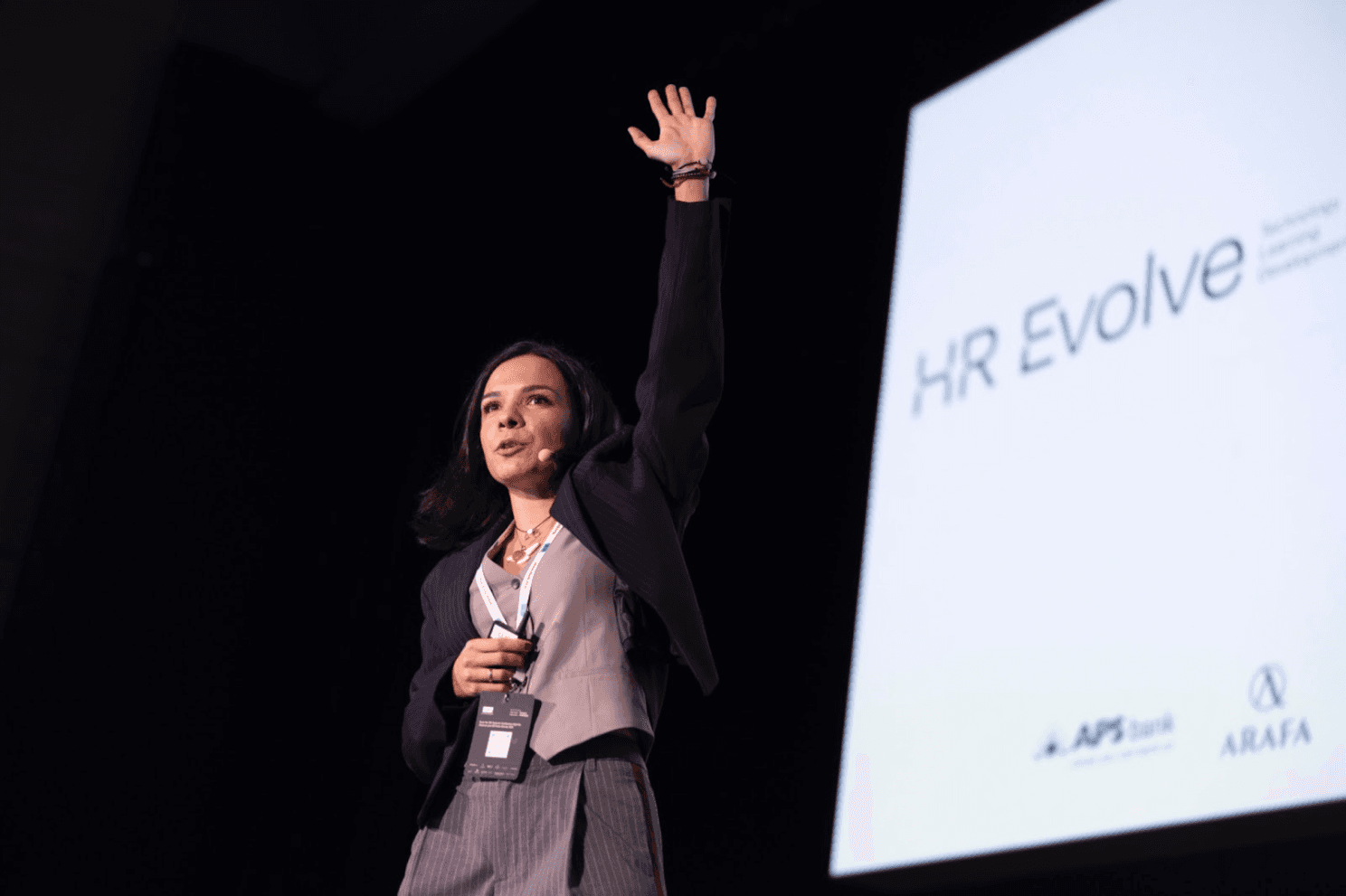
Dasha’s shift from corporate leader to coach, then from solo entrepreneur to interim L&D partner, reflects the key reasons why pivots become necessary. At INSO, we are practitioners of Eric Ries’ Lean Startup principles which refer to 10 Types of Pivot and we encourage everyone we work with to get very familiar with them and know when and how to use them.
The 10 Types of Pivot
Zoom-In Pivot: Focusing on a single feature of your product or service that has proven to be most valuable.
Zoom-Out Pivot: Expanding your scope to address broader customer needs with additional features or services.
Customer Segment Pivot: Targeting a different customer demographic than originally planned.
Customer Problem Pivot: Discovering a new problem to solve for your customers that fits your capabilities better.
Revenue Model Pivot: Changing how you make money, such as moving from a one-time payment model to a subscription-based model.
Sales Channel Pivot: Adjusting how your product or service reaches customers, like switching from physical stores to e-commerce.
Technology Pivot: Changing the underlying technology you use to create your product or service for greater scalability or innovation.
Value Capture Pivot: Re-evaluating which part of the value chain captures the most profit and adjusting your position.
Platform Pivot: Shifting from providing a standalone product to creating a platform that connects users or services.
Competitive Pivot: Changing your focus to differentiate yourself in a crowded market or adjusting to avoid direct competition.
So let’s look at the types of pivots which Dasha used and why they were important decisions for her business:

Zoom-Out Pivot: Dasha’s coaching model had impact but limited scalability. Expanding into a broader L&D consultancy unlocked a bigger vision.
Customer Segment Pivot: A single conversation revealed a gap in the market she hadn’t previously considered, shifting her focus from individuals to organisations.
Customer Problem Pivot: She realised companies didn’t just need coaching; they needed structural L&D solutions to support leadership and onboarding.
Revenue Model Pivot: Market insights showed that companies sought structured leadership and onboarding solutions, leading her to adapt her pricing and service model.
Technology Pivot: She integrated AI and innovation into her L&D consultancy to stay ahead of trends and deliver more scalable solutions.
Value Capture Pivot: Entrepreneurship stretched her bandwidth, so she streamlined her offerings for efficiency while ensuring greater ROI for clients.
Platform Pivot: By evolving her consultancy into a structured L&D solution, she created scalable frameworks that businesses could adopt.
Competitive Pivot: Coaching is a crowded field, but her expertise in L&D strategy positioned her uniquely, giving her an advantage.
8 out of 10 isn’t bad Dasha!
How to Pivot • The Framework That Defined Dasha’s Strategy
A successful pivot isn’t just about identifying the need, it’s about executing with precision.
1. Assess Your Current Position
Dasha analysed what worked in coaching and what felt limiting. She evaluated market needs, identifying organisational pain points beyond individual leadership development.
2. Define a Clear Vision
Instead of moving blindly, she redefined her business model—transitioning from a coaching-first approach to a holistic L&D consultancy.
3. Test Before Fully Committing
Before scaling, she ran pilot programs, refined her offerings, and sought feedback. This iterative approach reduced risk.
4. Engage Stakeholders
She leaned into her network, tapping into insights from HR professionals, business leaders, and fellow entrepreneurs.
5. Reposition Your Brand
Her messaging evolved from personal coaching to full-suite L&D solutions that save companies up to €60K per year.
6. Invest in the Right Resources
Dasha built a hybrid consulting model, leveraging custom AI tools and GPT integration to scale solutions.
7. Monitor & Adapt
Her consultancy isn’t static, it evolves as clients’ needs evolve. Refinement and agility keep her pivot sustainable.
Why People and Teams Struggle to Pivot • Lessons from Dasha’s Journey
Pivoting is uncomfortable, it asks you to detach from what’s familiar and embrace the unknown. Here are the biggest barriers:
Sunk Cost Fallacy – Dasha could have stuck with coaching because of the years invested. But clinging to past investments isn’t a strategy, it’s stagnation.
Fear of Change – Entrepreneurship is terrifying. But fear didn’t hold her back. She adapted quickly and moved on with a new vision.
Attachment to Original Vision – Letting go of solo coaching wasn’t easy. But vision evolved and she evolved with it.
Financial Constraints – Early on, budget was tight. Instead of hiring, she leaned into automation and efficiency.
Pressure to Deliver – Expectations were high. But she refined her strategy instead of forcing outdated methods.
Overconfidence in Current Strategy – She didn’t assume coaching alone was the answer. She listened, adjusted, and expanded her expertise.
Fear of Negative Perception – Pivoting doesn’t mean failure. It means growth.
Lack of Information – Research was key, she studied trends, listened to mentors, and tested theories before committing.
Inertia – Staying in coaching would have been easier. But impact mattered more.
Summary • A Personal Blueprint for Pivots
Entrepreneurs and intrapreneurs alike must recognise that pivoting isn’t about abandoning a dream, it’s about refining it.
Dasha’s journey illustrates the power of shifting strategy when market signals call for it. From corporate leadership to coaching, then into full-scale L&D consulting, she leveraged insights, embraced uncertainty, and built a business with measurable impact.
If there’s a lesson to take away, it’s this: your first idea is rarely your final destination. Great businesses and great leaders pivot not out of failure, but out of ambition. Remember that the journey is the best part of the story and that along the way, you will be faced with extremely difficult decisions to make. Do you turn left or right? Do you take the shortcut or the long way? Do you stick to what worked before or do you try something new?
The good news is that you are not alone! INSO and Dasha are with you at every step of the way. Embrace your journey with clear direction and confidence.
Let’s keep in touch.
Discover more about high-performance innovation. Follow us on LinkedIn and Instagram.